PHP development
Hire PHP Developers for Durable Web Systems
You need people who can read a living PHP codebase: typed 8.x services, Composer packages, SQL that still performs, and HTTP surfaces other teams can call without guesswork.
30% off first month
Hire PHP Developers for Durable Web Systems. PHP 8, Composer, and the database — before any framework debate.
Why this page exists
What a PHP hire is actually being asked to own
Buyers searching “hire PHP developer” usually have an existing PHP estate or a mandate to stay on PHP: custom applications, Composer libraries, SQL-heavy admin tools, or APIs used by other products. They are hiring language and backend judgement, not a motivational poster about “full stack.”
PHP remains a practical way to run business software on the web: request in, HTML or JSON out, a relational database in the middle. PHP 8 added types, attributes, match, fibers, and a JIT that you should treat as an option rather than a miracle. Composer is how serious teams share code. None of that makes PHP a substitute for product UI, exploratory testing, or model-backed features.
Apps Island is not selling a lone PHP contractor as the whole answer. PHP is how many buyers find us. The engagement is still a 4–5 person technology function at approximately $100,000/year, with PHP as one discipline in that mix.
What Does a PHP Developer Typically Do?
A PHP developer typically owns the server-side request path. That means routing, middleware or front controllers, validation, talking to MySQL or PostgreSQL with prepared statements or a query builder, and returning HTML or JSON. They decide how configuration is loaded, how secrets stay out of the repo, and how Composer packages are constrained. On PHP 8 they introduce parameter and return types, readonly properties, and enums where the domain is stable enough. They write PHPUnit or Pest tests around the money paths: checkout, permissions, imports. They read slow-query logs. They know the difference between a CLI worker and an FPM worker, and they do not run week-long jobs inside a web request.
Day-to-day systems are rarely greenfield frameworks chosen from a blog. They are order-management tools, partner APIs, content engines, billing-adjacent ledgers, and internals that have survived several PHP versions. The work includes wrapping SOAP or XML that a bank still sends, receiving webhooks, generating PDFs or exports, and keeping file storage off the web root. Deployment is PHP-FPM or a container, OPcache, and a real log drain — not FTP of a zip. When the frontend is React or a mobile client, the same person usually designs the JSON contract, pagination, and error shapes because they already own the records.
The role stops being enough when the product needs a design system, a store-ready mobile app, systematic QA on real devices, or retrieval-and-generation features that need evaluation rather than a cURL call in a script. PHP can persist the user and expose the API. It will not, by itself, produce accessible UI, App Store review, or an honest RAG pipeline. That is when adjacent disciplines should be planned, not hoped for.
PHP capabilities
PHP 8 application code
Typed services, attributes, and packages other engineers can extend.
Composer & dependencies
Lockfiles, audits, and upgrades that do not surprise production.
SQL & data access
Schema, indexes, transactions, and reports that do not lock the OLTP database.
HTTP APIs
Auth, versioning, idempotency, and contracts a SPA or mobile app can trust.
Workers and CLI
Queues, cron, and long work moved off the request thread.
Legacy containment
Strangler steps, tests around the scary bits, PHP version upgrades.
PHP + a modern UI
Keep PHP as the record; let React or Next.js own the interactive surface when needed.
Hosting & operations
FPM, OPcache, TLS, backups — not “it works on shared hosting.”
What projects use PHP?
Commerce backends
Catalogues, carts, and operator tools — the Laravel-shaped work published for Shutre still sits on PHP.
Assessment platforms
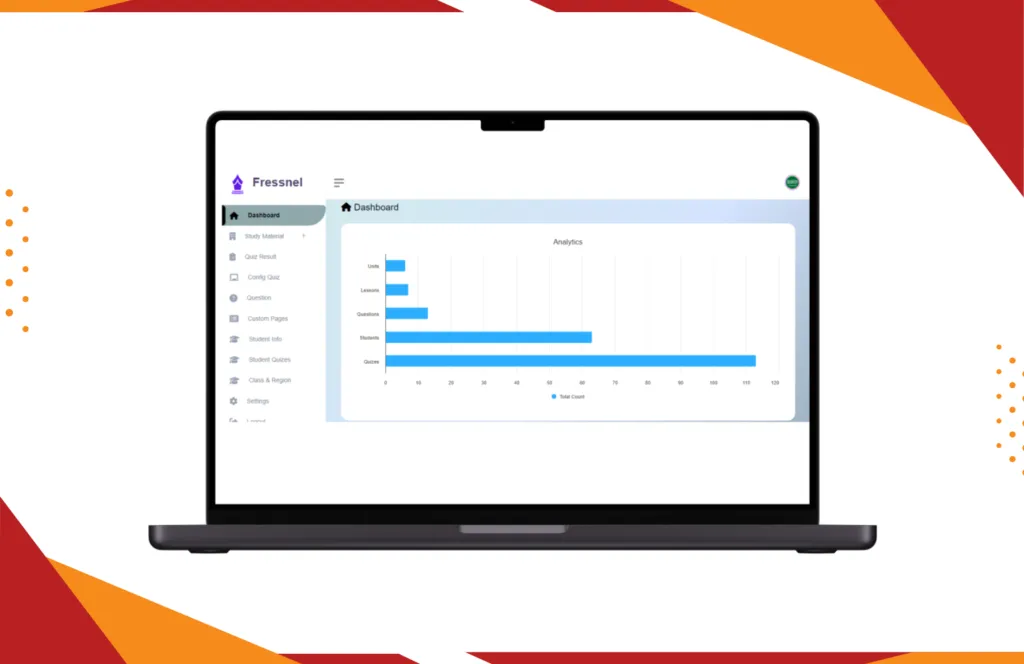
Question banks and roles — the kind of PHP domain Fressnel represents publicly.
Investment operations
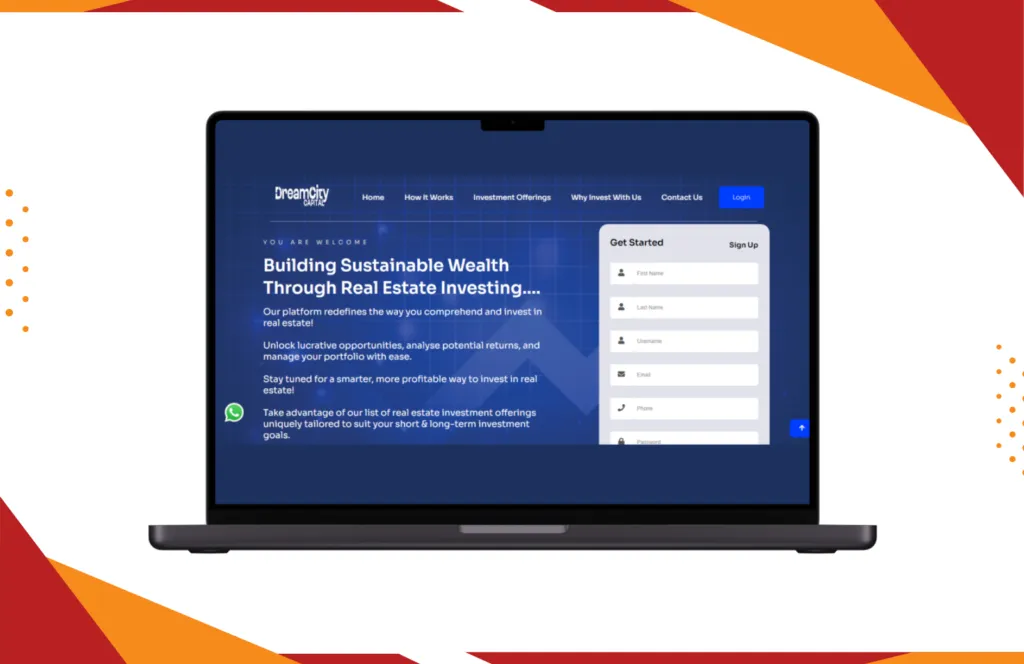
Ledgers and offerings on a PHP core, as described for DreamCity.
Partner and internal APIs
Integrations that must stay up when a vendor XML schema changes on a Friday.
PHP can carry the domain. It cannot be every other discipline.
A strong PHP engineer is the right hire when the bottleneck is the server: a leaky import, an untyped service layer, a version jump from 7.4, or an API that other teams cannot consume. For that slice of work, one specialist is often enough. Pretending every PHP ticket needs five people is sales noise.
What sits outside that slice is the product people touch: component architecture, visual QA, native clients, and any model-backed workflow that needs retrieval and evaluation. PHP will store the result. Customers still judge the screen, the latency, and the empty state.
Apps Island puts PHP inside a coordinated 4–5 person function — backend, frontend/mobile, AI when the product actually needs it, UI/UX + QA, and a technical lead — so you are not recruiting those roles as four extra vendors. Allocation follows the work. It is not five identical PHP seats.
What you actually get
The Apps Island 5-resource technology team
One service. Allocation follows the project. This is not five identical full-time developer seats unless a contract says otherwise.
Full-Stack
Full-Stack / Backend Developer
Owns APIs, databases, and backend architecture so the product has a durable core.
Frontend / Mobile
Frontend / Mobile Developer
Builds the customer-facing web and mobile interfaces people actually use.
AI & Automation
AI / Automation Developer
Adds agents, LLM features, OCR, and automation into real product workflows.
UI/UX + QA
UI/UX + QA Specialist
Shapes usable interfaces and tests the product before it reaches your users.
Tech Lead /
Technical Lead / Project Manager
Sets architecture, plans delivery, and keeps the engagement moving as one team.
What you actually get
Full-stack / backend
PHP, SQL, APIs, and the operational runtime.
Frontend / mobile
The clients that call those APIs.
AI / automation
Only when the product needs it — not a chatbot glued to a legacy script.
UI/UX + QA
Journeys and regression around the PHP core.
Technical lead / PM
One backlog and a version-upgrade plan you can explain.
Relevant work
Selected public project information
Descriptions are based on publicly published portfolio pages. Testimonials from that source are not reused. Unpublished metrics are omitted.

Website & Software
Shutre
A Laravel multi-brand online shopping mall with shared catalogue, cart, and checkout.
View case study
Website & Software
Fressnel
A Laravel quiz-management SaaS for question banks, timed exams, auto-grading, and results analytics.
View case study
Website & Software
DreamCity
A digital real-estate investment platform for browsing pre-vetted offerings, deposits, and stake tracking.
View case study
Building something similar?
Talk to the Apps Island team about your project.
Is the team right for you?
An honest qualification
Good fit
- Custom PHP application that must stay on PHP
- Composer-based APIs and admin tools
- Version upgrades and test coverage around legacy code
- PHP backend that also needs a serious UI or QA
May not be the best fit
- A one-line copy change in a template
- Unmanaged WordPress plugin churn with no application core
Already have developers?
Apps Island can complement an existing engineering organisation.
Your team
+
Apps Island
=
Additional capacity
Are you a digital agency?
Keep the client relationship while Apps Island provides technology delivery capacity.
Your agency
+
Apps Island
=
More delivery capacity
Pricing
Approximately $100,000 / year
The same commercial band as hiring one developer — for a complete 4–5 person technology function.
One developer
~$100,000 / year
One skill set. You still recruit the rest.
Apps Island team
~$100,000 / year
Backend, frontend/mobile, AI, UI/UX + QA, technical lead.
Introductory offer
30% off your first month
Try the team. Experience the delivery. Then decide whether we are the right long-term partner. The discount applies to month one only — not a 6- or 12-month price cut, and not a $70,000 year.
30%OffTeamCoupon
Standard monthly benchmark
~$8,333
First month
~$5,833
Then 6-month or 12-month continuation if the fit is right.
What happens after month one
Use the first month to decide if Apps Island is the right long-term technology partner.
Month 1
30% off
Work starts. You see communication, quality, and technical fit.
Evaluate
Delivery, not a pitch
Communication. Quality. Delivery. Technical fit. No fake countdown.
Continue
6 or 12 months
If the partnership works, continue. You are not forced into a year on day one.
Work with confidence
Payment and engagement options
Upwork
Apps Island can work through Upwork where appropriate. Platform terms — including milestone funding and review windows — apply.
Independent escrow
For suitable direct engagements, an independent escrow arrangement may be agreed between the parties. Apps Island does not operate escrow.
Questions people actually ask
Should we just rewrite the PHP in Node?
Only if the product, team, and risk support it. Many estates are cheaper to type, test, and upgrade than to replace. We will say so.
Is this the same as hiring Laravel people?
Laravel is one PHP framework. This page is about the language, runtime, and SQL. If you specifically need Laravel conventions, use the Laravel hire page.
Can you work in our existing PHP repo?
Yes. Complementing an in-house PHP group is a normal pattern.
Do you take WordPress plugin mills?
Theme-and-plugin churn is usually a poor fit. Custom PHP applications, APIs, and upgrades are the core.
Upwork or escrow?
Apps Island can work through Upwork where it helps. Direct work may use an independent escrow. Apps Island does not operate escrow.
FAQ
How much does it cost to hire PHP capacity this way?
The commercial product is the 4–5 person team at approximately $100,000/year, not a hidden PHP day-rate. Month one is 30% off with coupon 30%OffTeamCoupon.
What should I look for when hiring a PHP developer?
Types, tests, SQL literacy, Composer hygiene, and honesty about legacy. Framework slogans are a weak signal.
Can a PHP developer work with my frontend team?
Yes. The useful contract is a documented API. Apps Island can supply that backend discipline and, if needed, the UI next to it.
When do I need more than one PHP engineer?
When the work includes a serious interface, mobile, QA, or model-backed features — or when the estate is large enough that upgrades themselves are a programme.
Do you still support PHP 7?
Support means a plan to get you onto a supported 8.x line with tests. We do not romanticise running EOL runtimes.
Will you invent conversion rates for my PHP shop?
No. Public portfolio facts stay labelled as source material. Your metrics stay yours.
Can an agency keep the client while we provide PHP?
Yes. Delivery capacity without taking the account is a stated agency pattern.
Tell us what you need
A short briefing before we talk
Step 1 of 6: What are you looking to do?
Continue in this cluster
Technical perspective from the Apps Island delivery team. Named authorship can be added when a reviewer is assigned. No invented expert profiles.